Army Medal: A Designer's Review for Real Projects
When I first pulled up the Army Medal design on my screen, I wasn't looking for flashiness. As someone who spends hours hooping fabric and trimming jump stitches, I look for reliability. Does this machine embroidery design have the structural integrity to hold up on a heavy canvas tote? Will the details get lost on a textured sweatshirt? This isn't just about a pretty picture; it's about whether this embroidery file can become a viable product for a small shop or a cherished personalized gift.
The visual personality of Army Medal strikes a balance between classic military tradition and modern digitizing clarity. It doesn't scream; it commands respect through clean lines and a dignified layout. The theme is unmistakably Military, evoking honor and service, which makes it an instant fit for commemorative projects. However, its versatility extends beyond veteran apparel. I immediately imagined this working beautifully on a structured cap for a family reunion, a patch for a scout uniform, or even as a subtle accent on a nursery pillow for a child born into a service family.
First Impressions and Design Layout
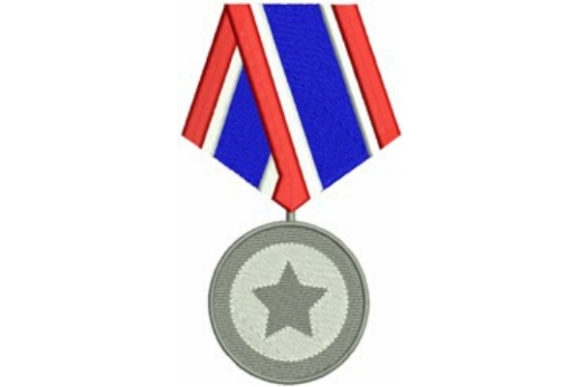
The first thing you notice about Army Medal is the thoughtful distribution of detail. In many generic designs, the center becomes a dense blob of thread while the edges look sparse. Here, the balance feels intentional. The shape suggests a traditional medal structure, likely utilizing a mix of satin stitch for the borders and ribbons, and a solid fill stitch for the central emblem. This combination is crucial because satin stitches provide that premium, shiny finish customers love, while fill stitches ensure durability in high-wear areas.
For an Etsy seller or craft business owner, the "mood" of a design dictates the price point. Army Medal feels premium. It doesn't look like a quick, low-density sketch. It looks like a finished asset ready for commercial use. The layout suggests it would sit perfectly in a standard 4x4 or 5x7 hoop, making it adaptable for everything from pocket logos on chef coats to large back patches on denim jackets.
Real-World Application Scenarios
Let's talk about where this design actually lives once it leaves the digital realm. I recently considered a project involving custom sweatshirt embroidery for a local support group. Army Medal would be the ideal centerpiece here. On a fleece or French terry fabric, the definition of the medal needs to be sharp so it doesn't sink into the nap of the fabric. Assuming the digitizer has accounted for proper pull compensation, this design should pop nicely against heather grey or navy blue garments.
Another strong use case is the embroidered patch. Military-themed designs are perennial bestsellers in the patch community. If you are creating morale patches or commemorative items, Army Medal offers a professional look that buyers trust. When stitched onto twill or canvas backing, the thread colors need to maintain contrast. If the design relies on golds, silvers, and deep blues, it will translate exceptionally well to physical media.
For those focusing on baby embroidery or nursery decor, this design offers a way to honor heritage without being overly aggressive. Stitched onto a soft muslin blanket or a structured nursery pillow cover, it serves as a gentle nod to family history. However, in these instances, you must be mindful of the stitch density. Babies have sensitive skin, so ensuring the back of the stitching is clean and not overly scratchy is vital. Using a soft cut-away stabilizer would be my recommendation to keep the finished product comfortable.
Technical Considerations for the Maker
No design is universal, and Army Medal requires some practical judgment before you commit to your final fabric. If you are planning to stitch this on a curved surface like a baseball cap, pay close attention to the smaller details. Caps distort designs slightly due to the curvature. If Army Medal has tiny lettering or intricate corners, they might merge together if the hoop tension isn't perfect. Always test on a scrap piece of the same cap material first.
Texture is another factor. The product description claims it works on "any kind of fabric," but as a reviewer, I advise caution with highly textured materials like bouclé or very loose weaves. On these fabrics, a design with fine running stitch details might get lost. Army Medal appears robust enough for most standard apparel, but if you are using a thin, stretchy jersey, you must use a stabilizer that prevents the fabric from puckering around the dense areas of the medal.
Dark fabrics present their own challenge. If the design includes light-colored threads for highlights, ensure there is no gap in the coverage that reveals the dark fabric underneath, which can ruin the illusion of a solid metal medal. A good practice is to run a test on black fabric to see how the thread color contrast holds up. Sometimes, adding an underlay or adjusting the sequence can make the difference between a muddy look and a crisp, professional result.
Enhancing Brand Value and Customer Trust
In the world of commercial embroidery, consistency is king. Using a high-quality design like Army Medal helps build brand recognition. When a customer receives a handmade product with clean, well-defined stitching, their trust in your shop increases. They aren't just buying a shirt; they are buying a piece of art that honors a specific theme. This design supports that narrative effectively.
For digital product sellers, offering Army Medal as part of a bundle could increase the perceived value of your store. It fits into categories like holiday embroidery (for Veterans Day or Memorial Day gifts) and personalized products. When creating printable mockups for your listings, this design photographs well because of its distinct shapes. Good photography leads to higher click-through rates, and a strong design ensures the physical item matches the photo, reducing returns and increasing positive reviews.
Practical Notes Before You Stitch
Before you start your next embroidery project with Army Medal, here is a checklist to ensure success:
- Test First: Always stitch out the design on a scrap piece of your intended fabric. This reveals any issues with density or registration.
- Check Licensing: Verify the terms of use. Can you sell the finished product? Are there restrictions on the number of items? Never assume a design is free for commercial use unless stated.
- Stabilizer Selection: Match your stabilizer to your fabric. Woven items might need cut-away, while knits often benefit from tear-away topped with water-soluble film to prevent sinking.
- Thread Quality: Use high-quality rayon or polyester threads. Cheap thread can break during dense fills or fade after washing, diminishing the look of the medal.
- Hoop Size: Confirm the required hoop size in the file details. Forcing a design into a smaller hoop than intended can crop essential elements.
- Wash Testing: If this is for a garment that will be washed frequently, like a tote bag design or apron, wash the test sample to ensure the stitches don't pucker or fray.
Ultimately, Army Medal stands out as a versatile and respectful addition to any designer's library. It bridges the gap between decorative flair and meaningful symbolism. Whether you are a hobbyist making a gift for a grandparent or a boutique owner expanding your small shop product line, this design offers the clarity and professionalism needed to create something truly special. Just remember to respect the technical requirements of your machine and fabric, and the results will speak for themselves.