Dream Catcher Embroidery: A Designer's Review for Real Projects
As an embroidery designer who spends countless hours digitizing and stitching for clients, I know that finding a reliable machine embroidery design is about more than just a pretty picture. It is about trust, consistency, and how the final stitch-out elevates a handmade product. Recently, I evaluated the Dream Catcher listing on Creative Fabrica to see if it holds up under the scrutiny of commercial use. This isn't just a casual browse; this is a look at whether this specific embroidery file is ready for your next customer order.
First Impressions and Visual Mood
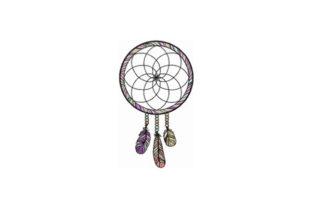
The moment you pull up the preview images for the Dream Catcher, the spiritual and bohemian vibe is immediate. Given its categorization under Religion and spirituality, the design carries a weight of meaning that resonates well with current trends in nursery decor and personal wellness items. The visual mood is intricate yet balanced, suggesting a design that relies heavily on fine details to capture the essence of a traditional dream catcher.
From a designer's perspective, the appeal lies in the potential texture. A good dream catcher design should mimic the look of woven webbing and hanging feathers without becoming a solid block of thread. If the digitizer has done their job, you should see a mix of running stitch for the delicate web lines and satin stitch or fill stitch for the feathers and central hoop. This variety in stitch types is crucial because it gives the finished product dimension, making it look like a high-end boutique item rather than a generic mass-produced patch.
Real-World Application Scenarios
When considering where to place the Dream Catcher, the versatility is surprisingly broad. For custom apparel, this design shines on the back yoke of a denim jacket or centered on a flowy linen tunic. The organic shapes complement natural fabrics beautifully. However, my mind immediately went to home goods. Imagine this stitched onto a neutral-toned tote bag design for a local market stall; it instantly adds an artisanal touch that justifies a higher price point.
For those running an Etsy shop, this design is perfect for sweatshirt embroidery. Placed slightly off-center on a heavyweight cotton blend, it creates a trendy, oversized look that is very popular right now. It also works exceptionally well as an embroidered patch. If you have a cut-and-sew operation, stitching this onto twill before cutting it out allows you to create movable merchandise that customers can iron onto their own gear. Additionally, it fits perfectly into the nursery niche. Stitching this onto a muslin baby blanket or a crib pillow cover creates a soothing, protective theme that parents love.
Navigating Technical Challenges
While the aesthetic is strong, every experienced embroiderer knows that beauty can sometimes come with technical headaches. The Dream Catcher likely features fine lines and potentially dense areas where the feathers overlap. Before committing to a full production run, you must consider the stitch density. If the webbing is too dense, it can cause the fabric to pucker, especially on lighter materials like kitchen towels or baby onesies.
Fabric choice is critical here. On stretchy fabrics, such as jersey knits used for t-shirts, a heavy design can distort the garment over time. Using the correct stabilizer is non-negotiable. For a project like this, I would recommend a cut-away stabilizer for garments that will be washed frequently, ensuring the design stays crisp and the fabric doesn't sag around the stitches. If you are attempting this on a curved surface like a cap, be wary of the hoop size. Dream catchers are often circular and wide; if the diameter exceeds your available hoop size, you may need to look for a split version or resize the design, which can affect the integrity of the small details.
Another consideration is thread contrast. The magic of a dream catcher is often in the subtle gradients of the feathers. When reviewing the thread colors suggested in the file, ensure they provide enough contrast against your base fabric. On dark fabrics, you might need to adjust the underlay or add a backing layer to prevent the fabric color from showing through the lighter threads of the web.
Enhancing Product Value and Brand Trust
In the world of commercial embroidery, the quality of your design assets directly impacts buyer trust. A clean, well-digitized Dream Catcher signals professionalism. When a customer sees precise corners, no thread breaks, and smooth transitions between color blocks, they perceive the entire handmade product as high-quality. This attention to detail builds brand consistency.
Furthermore, this design offers excellent opportunities for product photography. The intricate details of the feathers and the circular symmetry make for striking visuals in a portfolio or on social media. A well-lit photo of this design on a textured canvas tote can drive engagement far better than a flat printable mockup. While mockups are useful for initial listings, showing the actual thread sheen and texture of the real stitch-out convinces hesitant buyers to click "purchase."
Practical Steps Before You Stitch
If you decide to download this digital embroidery file, do not skip the testing phase. Always stitch a sample on scrap fabric that matches the weight and weave of your final material. Check the underside of the embroidery to ensure the bobbin thread isn't pulling to the top, which can happen with complex fills. Inspect the small details after stitching; are the tiny loops of the web clear, or do they look muddy?
It is also vital to verify the licensing terms on the Creative Fabrica product page. Since this falls under a specific category, ensure that your intended use—whether for personal gifts or selling finished items—is covered. Some designers restrict the number of physical items you can sell, while others offer unlimited commercial use. Knowing this beforehand protects your business.
Finally, remember that file formats matter. Ensure the Dream Catcher comes in the format compatible with your machine, whether that is PES, DST, EXP, or JEF. If the listing mentions multiple formats, great; if not, check the description carefully before downloading to avoid conversion issues that could alter the stitch path.
In conclusion, the Dream Catcher from Creative Fabrica presents a compelling option for designers looking to expand their catalog with spiritual and bohemian themes. Its potential applications range from cozy personalized gifts to profitable boutique merchandise. However, its success in your shop depends on your preparation. By respecting the technical requirements of the design, choosing the right materials, and verifying the license, you can turn this single applique design or standard embroidery file into a staple of your product line. As with any tool in our trade, the result is only as good as the craftsperson wielding it.