Colored African Map: A Bold Choice for Craft Fairs
As an embroidery designer who has spent countless weekends setting up booth displays and managing production for handmade markets, I approach every new machine embroidery design with a critical eye. It is not just about whether the file runs smoothly; it is about whether the finished product stops a customer in their tracks. Today, I am reviewing the Colored African Map, a design that immediately strikes me as a potential powerhouse for sellers targeting cultural pride, travel enthusiasts, and those seeking meaningful decor.
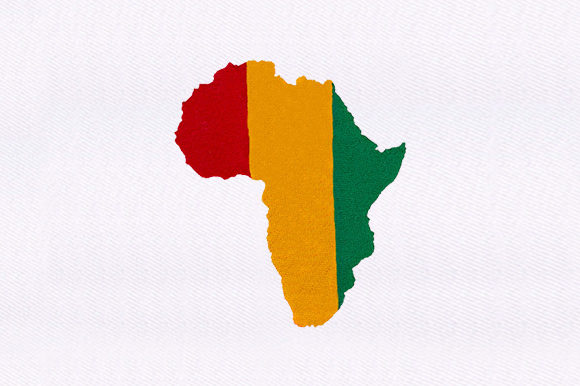
The first impression of this design is undeniably bold and modern. With a hoop size of 6×6 inches and dimensions reaching 5.25 inches in width by 5.75 inches in height, this is not a subtle accent. It is a statement piece. The title suggests a vibrant use of thread colors, which is crucial for a map design. In a sea of generic floral patterns at a craft fair, a colorful, geometric representation of the African continent offers a fresh, contemporary aesthetic that feels both educational and decorative.
Evaluating Product Potential for Market Sales
When I imagine my display table, I visualize where the Colored African Map would shine brightest. Given its substantial size—over 5 inches tall—it demands space. This makes it an ideal candidate for a tote bag design. A canvas market bag featuring this map instantly communicates a brand identity rooted in global awareness or heritage. Customers walking past a booth are drawn to large, clear graphics they can identify from three feet away. This design delivers that instant recognition.
Beyond bags, this embroidery file is perfectly suited for home decor items like pillow covers. A linen or cotton blend pillow with this colorful map becomes a focal point in a living room, appealing to buyers looking for unique handmade products rather than mass-produced imports. For apron embroidery, the design works well on the bib section, provided the apron fabric is sturdy enough to support the stitch count without puckering. However, I would hesitate to place this on a small cap or a tiny pouch. At nearly 6 inches, it would overwhelm a standard baseball cap or get lost on a small coin purse, losing the intricate details that make the map recognizable.
Production Realities and Stitch Density
From a production standpoint, the Colored African Map presents specific challenges and opportunities. The file contains 22,954 stitches. This is a moderate-to-high density for a design of this size. As a professional, I know that stitch density directly impacts the drape of the fabric. On a tote bag, this weight adds a premium feel, making the item feel substantial and high-quality. However, on lighter fabrics like a delicate tea towel embroidery project, this many stitches could cause significant pulling or distortion.
If you are an Etsy seller planning to list finished goods, you must consider the fabric texture. This design will look crisp on tight-weave cottons, canvas, and denim. It may struggle on textured waffle weaves or looped towels where the needle might miss the intended path, blurring the borders of the continent. Before committing to a full batch of inventory, it is essential to test the design on scrap fabric that matches your intended product. Check how the thread lays on dark versus light backgrounds; a "colored" map implies multiple hues, and ensuring contrast against the base fabric is vital for visual appeal.
Visual Appeal and Customer Engagement
In the context of a craft fair, buyer engagement is driven by storytelling. The Colored African Map naturally invites conversation. It allows you, the maker, to discuss themes of heritage, travel, or global connection. This emotional connection increases the perceived value of the finished product. When a customer sees a well-executed map, they often perceive it as more complex and valuable than a simple monogram, allowing you to price your items higher.
For online listings, this design photographs exceptionally well. The distinct shape of the continent and the variety of colors create a strong image for social media and printable mockups. Whether you are selling the physical item or the digital embroidery file itself, the visual clarity of the map translates beautifully to screens. For commercial embroidery businesses, this design offers versatility. It can be scaled slightly down if your machine allows, but sticking to the recommended 6×6 hoop ensures the integrity of the outline remains intact.
Critical Considerations for Sellers
While the potential is high, there are practical notes to heed. The design relies on clear boundaries between the different colored regions of the map. If your tension is off, these lines can blur. Additionally, because the design is relatively large, ensure you have the appropriate stabilizer. A cut-away stabilizer is likely necessary for garments that will be washed frequently, such as aprons or t-shirts, to prevent the heavy stitching from sagging over time.
Another factor is the file compatibility. This design comes in a wide array of formats including DST, PES, JEF, and EXP. This is excellent news for shop owners with diverse machine fleets. However, always verify that the specific format you load matches your machine's requirements to avoid read errors during a busy production run. Furthermore, review the licensing terms carefully. If you are purchasing this as a design asset to sell finished goods, confirm that the license permits commercial embroidery sales. Some designers restrict the number of physical items you can sell, while others offer unlimited usage.
Ultimately, the Colored African Map is a strong contender for any small shop product line focused on culture, geography, or bold aesthetics. It moves beyond the typical farmhouse florals and offers something with gravitas. By pairing it with high-quality blanks like heavy canvas totes or structured pillow forms, you create a craft fair product that stands out. Just remember to respect the technical limits of the stitch count and fabric choice. With the right preparation and a keen eye for detail, this design can become a staple in your inventory, driving both attention and sales at your next market event.