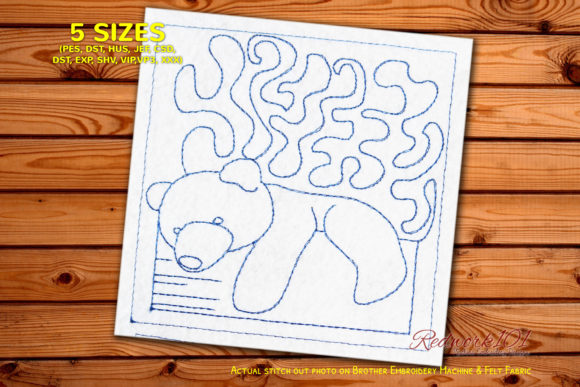
Cute Sleeping Teddy Bear Redwork: A Designer's Review
As an embroidery designer who has spent years digitizing and reviewing files for commercial use, I approach every new machine embroidery design with a critical eye. It is not just about whether the image looks cute on a screen; it is about how that digital embroidery file translates into a tangible asset for a small business. Today, I am reviewing Cute Sleeping Teddy Bear Redwork, a design categorized under Wild Animals, specifically evaluating its potential for branded merchandise, patches, and professional apparel.
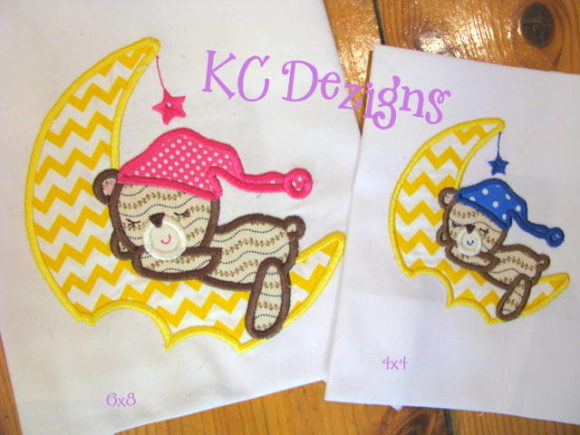
The first impression of Cute Sleeping Teddy Bear Redwork is one of warmth and approachability. The description notes a teddy bear sleeping on a rock with grass behind him, executed in a redwork style. For those unfamiliar, redwork traditionally uses a single color of thread, often red, to create outline-based imagery. This aesthetic immediately signals a "handmade" quality. It feels rustic, classic, and deeply nostalgic. For a boutique, a bakery, a florist, or a pet brand, this visual personality is gold. It does not scream "corporate"; instead, it whispers "crafted with care." In a market saturated with sleek, modern vector logos, this design offers a softness that can significantly enhance brand identity by making a business feel more accessible and friendly.
Real-World Business Applications
When considering where to deploy this design, the possibilities for small business merch are extensive. Because the design relies on outlines rather than heavy fill stitches, it is exceptionally versatile for various substrates. Here is how I see this working in a real commercial embroidery scenario:
- Embroidered Patches: This is arguably the strongest use case. The clean lines of the sleeping bear translate beautifully into a merrow-edge or laser-cut patch. A local café could use these as loyalty rewards, sewing them onto customer bags or selling them as collectibles.
- Apron Embroidery: For bakeries or craft studios, placing this design on the chest of a staff apron adds a touch of whimsy without overwhelming the uniform. The redwork style ensures the design remains legible even from a distance.
- Tote Bag Design: Canvas tote bags are a staple for retail shops. The texture of canvas pairs perfectly with the simplicity of redwork. This design could serve as the primary logo or a charming accent near the bottom corner of a bag.
- Cap Embroidery: While caps can be tricky, the simplified nature of this design makes it a candidate for the front panel of a dad hat or a beanie, provided the scaling is correct.
- Product Packaging Accents: Beyond apparel, this design can be embroidered onto fabric tags attached to handmade products, elevating the perceived value of the finished product.
The versatility of Cute Sleeping Teddy Bear Redwork lies in its simplicity. Unlike complex, multi-color designs that can become muddy on textured fabrics, this outline-heavy approach maintains clarity. It works exceptionally well for custom apparel intended for events, such as family reunions or community fundraisers, where a cohesive, gentle theme is desired.
Technical Considerations and Limitations
However, a professional review must also address the limitations. While the aesthetic is strong, there are technical factors that business owners and decorators must consider before committing to a large production run. The description mentions that "The Box Stitch shown in the picture is optional" and that the outer box color varies. This variability requires attention during the digitizing or editing phase.
First, consider stitch density. Redwork designs generally have lower density, which is great for breathability on uniforms but can sometimes lack durability on items subjected to frequent industrial washing, like restaurant staff shirts. If this design is intended for high-wear environments, you may need to reinforce the outlines or add a light fill to prevent the threads from snagging or breaking over time.
Second, pay close attention to fabric texture. On plush towels or thick fleece, fine outline stitches can get lost or appear jagged. This design shines brightest on medium-weight cottons, twills, and smooth poly-blends. If you plan to use it on dark uniforms, remember that traditional redwork uses red thread, which may not contrast sufficiently against maroon or black fabrics. You will likely need to adjust the thread colors to ensure the sleeping bear pops against the background.
Furthermore, the inclusion of grass and a rock introduces small details that could vanish if the design is scaled down too far. If you are creating a tiny embroidered patch less than two inches wide, those background elements might turn into a solid blob of thread. In such cases, simplifying the design by removing the grass and focusing solely on the bear might be necessary to maintain visual integrity.
Impact on Brand Perception
Using Cute Sleeping Teddy Bear Redwork strategically can profoundly affect customer trust and recognition. For a handmade brand, consistency is key. If your brand voice is gentle, nurturing, and artisanal, this design reinforces that message every time a customer sees it on a tote bag or a product tag. It signals that the business values tradition and craftsmanship. Conversely, if your brand is ultra-modern or tech-focused, this design might send mixed messages. It is crucial to compare this asset beside your other design assets to ensure visual consistency.
Moreover, the "cute" factor drives engagement. Customers are more likely to keep and use merchandise that features an adorable character. A sleeping teddy bear evokes feelings of comfort and safety, emotions that businesses want to associate with their services. Whether it is a pet groomer or a children's boutique, this imagery creates an emotional connection that generic text logos often fail to achieve.
Practical Designer Notes for Production
Before you load this file into your machine for a client order, I recommend following a strict testing protocol. Since the specific hoop size, exact stitch count, and file formats are not detailed in the brief description, you must verify these details with the vendor. Do not assume the file is ready for a 4x4 hoop without checking the dimensions first.
- Test in Black and White: Before committing to colored thread, stitch the design out in black thread on white fabric. This allows you to clearly see the line weight, spacing, and potential bridging issues without the distraction of color.
- Check Small Patch Viability: Stitch a sample at the smallest size you intend to use. Inspect the grass and rock details closely. If they merge together, edit the file to remove unnecessary elements.
- Review Thread Contrast: Ensure your chosen thread color contrasts sharply with the garment. If the "red" in redwork doesn't work, try navy, forest green, or gold depending on the fabric.
- Inspect Spacing and Density: Look for areas where stitches are too close together, which can cause puckering, or too far apart, which exposes the fabric.
- Confirm Hoop Size: Verify the maximum dimensions of the design to ensure it fits your available hoops, especially if working with tubular frames for caps.
- Test on Real Fabric: Never judge a design solely on a screen. Stitch it on the actual material you plan to use for the final product.
- Use Proper Stabilizer: Even for light redwork, using the correct cut-away or tear-away stabilizer is essential to prevent distortion, especially on stretchy fabrics.
- Create a Printable Mockup: Generate a printable mockup for client approval. Show them how the design looks on an apron versus a cap to manage expectations.
- Compare Design Assets: Place this design next to your existing logo or other merchandise to ensure it complements rather than clashes with your brand suite.
- Confirm Commercial Licensing: Finally, and most importantly, confirm the licensing terms. Ensure you have the right to use this digital embroidery file for commercial purposes, especially if you plan to sell the finished patches or branded goods.
In conclusion, Cute Sleeping Teddy Bear Redwork is a charming addition to the Wild Animals category of embroidery. With its classic redwork style, it offers a unique blend of nostalgia and professionalism that can elevate small business merch from ordinary to extraordinary. However, its success depends on thoughtful application, careful testing, and an understanding of its technical constraints. By respecting the design's limitations and leveraging its strengths, embroidery professionals can create branded items that customers will cherish.