Gentleman Embroidery Design: A Craft Fair Seller's Review
As an embroidery designer who has spent countless weekends behind a bustling craft fair booth, I know that the difference between a design that sits on the table and one that flies off the shelf often comes down to immediate visual impact and practical production value. When I first loaded the Gentleman machine embroidery design into my software to evaluate it for an upcoming market season, I was looking for more than just cute aesthetics. I needed a digital embroidery file that could withstand the scrutiny of walk-by customers while remaining efficient enough for batch production. This review breaks down how this specific design performs in the real world of handmade sales.
First Impressions and Market Appeal
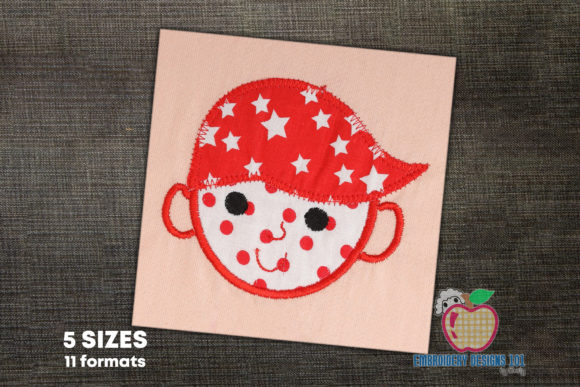
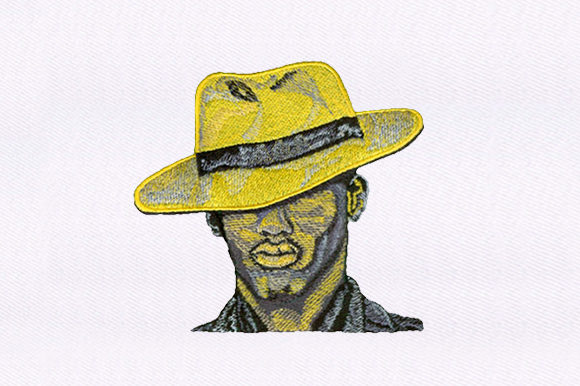
The title Gentleman immediately sets a tone of classic charm and timeless style. In the current market, there is a strong demand for designs that feel both nostalgic and modern, fitting perfectly into the "farmhouse chic" or "classic prep" trends that dominate boutique makers and Etsy sellers. Upon inspecting the preview, the design feels elegant yet approachable. It does not scream for attention with neon colors or chaotic lines; instead, it offers a refined look that suggests high-quality craftsmanship. For a craft fair product, this is crucial. Customers at handmade markets are often looking for items that feel special and premium, and a design with this kind of poised character helps elevate the perceived value of the finished product.
While the product category is listed under Boys, do not let that limit your creativity. A well-executed "Gentleman" motif has cross-generational appeal. It works beautifully for baby boy gifts, but it also resonates with fathers, grandfathers, and even as a whimsical accent in home decor. The versatility of the theme allows you to target multiple demographics with a single embroidery file, maximizing your return on investment.
Product Applications and Booth Display Strategy
When planning my booth display, I imagine where Gentleman would stand out most. With a hoop size of 5×5 and dimensions of approximately 4.80 inches by 4.36 inches, this design hits the sweet spot for medium-sized applications. It is large enough to be a focal point but compact enough to fit on a variety of popular handmade product bases.
- Tote Bags and Market Bags: This is likely the strongest contender. Placing the design centered on a canvas tote creates an instant bestseller. The scale is perfect for the front panel, offering a clear tote bag design that reads well from a distance.
- Aprons and Tea Towels: For kitchen-themed booths, this design shines as apron embroidery on the bib or as a decorative element on tea towel embroidery. The classic nature of the motif complements linen and cotton textures beautifully.
- Patches and Pouches: If you create embroidered patch products, the 5×5 footprint is ideal for iron-on or sew-on applications. It also works wonderfully on small fabric pouches or zippered bags, adding a touch of personality to small shop products.
- Caps and Hats: While possible, curved surfaces require extra care. The width of nearly 5 inches might be tight on a standard structured cap, so testing on a flat-brimmed hat or a larger dad hat is advisable.
- Pillow Covers: As a central motif on a 16x16 or 18x18 pillow cover, this design adds a sophisticated touch to home decor lines.
In terms of photography for online listings, the clean lines of Gentleman should photograph exceptionally well. It provides a clear subject for your printable mockup images, allowing potential buyers to visualize the design on different backgrounds without visual clutter.
Production Realities and Technical Considerations
From a production standpoint, the stitch count of 31,036 is a significant factor to consider. This is not a quick "fill-and-go" design; it represents a moderate-to-high density fill. For a commercial embroidery operation or a busy craft fair prep week, this means you need to factor in longer run times per item. However, higher stitch counts often result in a more durable and textured finish, which customers associate with quality. The stitch density appears robust, which is excellent for items that will be washed frequently, like aprons and tote bags.
The available EMBROIDERY FILE FORMATS are extensive, including DST, PES, JEF, HUS, and VIP among others. This compatibility is a massive advantage for Etsy seller accounts and small business owners who may use different machine brands. Whether you are running a Brother, Janome, Husqvarna, or Bernina, you likely have a native format ready to go, reducing the risk of conversion errors.
Careful-Use Notes for Best Results
To ensure every unit sold is flawless, keep these practical notes in mind during your production run:
- Fabric Texture: On textured towels or waffle weave fabrics, the finer details of the design might get lost. Always test on a scrap piece of your actual inventory fabric first.
- Thread Contrast: Because the design relies on a specific character archetype, thread choice is vital. High contrast between the thread and the fabric will make the "Gentleman" pop, while tonal threads offer a subtle, premium look.
- Stabilizer Selection: Given the stitch count, using the right stabilizer is non-negotiable. For stretchy fabrics like t-shirts or caps, a cut-away stabilizer is recommended to prevent distortion over time. For woven towels or totes, a tear-away may suffice, but ensure it supports the density.
- Dark Fabric Challenges: If stitching on dark navy or black fabrics, ensure your underlay settings are optimized to prevent the fabric from peeking through the dense stitch areas.
- Small Details: Inspect the design closely for tiny lettering or fine facial features. If scaling the design down for smaller items like patches, ensure these elements do not merge or lose clarity.
Maximizing Sales and Brand Consistency
Ultimately, the success of Gentleman in your booth depends on how you present it. This design has the potential to strengthen your brand consistency if you use it across a coordinated collection—matching tote bags, aprons, and pillows. This "collection" approach encourages customers to buy multiple items, increasing your average transaction value.
The visual appeal of this design draws attention because it feels intentional and well-crafted. In a sea of generic clipart, a high-quality machine embroidery design with substantial stitch work stands out as a true handmade product. It signals to the buyer that time and skill went into the creation, justifying a higher price point.
Before listing this as a commercial embroidery item or selling finished goods, always confirm the licensing terms associated with your purchase. While the file formats suggest broad compatibility, your right to sell physical goods made from this design depends on the specific license granted by the creator. Additionally, double-check the exact hoop size requirements against your machine's capabilities to avoid last-minute frustrations at the fair.
In conclusion, Gentleman is a versatile and robust asset for any embroidery business. Its classic theme, combined with a substantial stitch count and wide format compatibility, makes it a reliable choice for creating high-value craft fair products. By paying attention to fabric choices, stabilizer support, and strategic placement, you can turn this digital file into a lineup of best-selling items that customers will love to take home.