Light Tree Embroidery: A Designer's Review for Handmade Gifts
As an embroidery designer who has spent countless hours digitizing and stitching out designs for clients, I know that finding the right machine embroidery design can make or break a handmade product line. Recently, I had the opportunity to evaluate the Light Tree design available on Creative Fabrica. This piece immediately caught my eye for its potential in creating meaningful, personalized gifts. Whether you are an Etsy seller looking to expand your nursery decor collection or a hobbyist wanting to create a special wedding gift, understanding the nuances of a design like Light Tree is essential before you hit that download button.
The Emotional Appeal and Visual Style
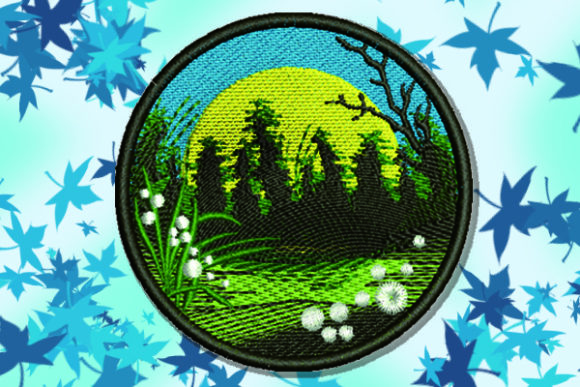
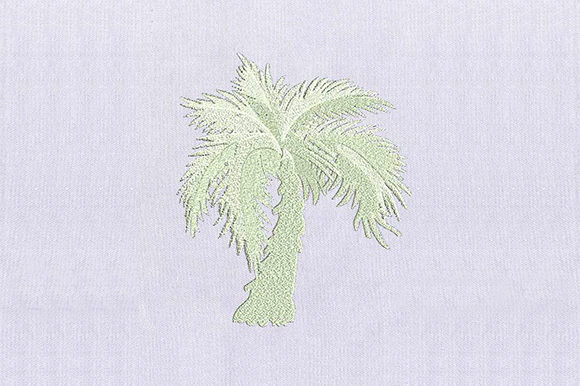
My first impression of the Light Tree was one of gentle warmth. In the world of Forest themed Embroidery, designs often lean heavily into dark greens and rugged textures. However, this design offers a softer, more ethereal approach. It feels less like a dense woodland scene and more like a whimsical, glowing centerpiece. The visual softness suggests it would work beautifully for projects requiring a touch of elegance without being overly formal. It strikes a balance between playful and cozy, making it versatile enough for a baby's room yet sophisticated enough for adult home decor.
The detail level appears sufficient to create a high-quality finished product without becoming so dense that it compromises the fabric's drape. For those of us selling handmade products, the "handmade charm" is crucial. This design doesn't look like a generic clip-art conversion; it retains an artistic flow that suggests careful digitization. When stitched out, I anticipate it will add significant emotional value to a gift, transforming a simple towel or pillow into a cherished keepsake.
Ideal Projects for the Light Tree Design
One of the strongest assets of the Light Tree is its adaptability across various personalized gift categories. Here is how I see this digital embroidery file fitting into real-world production scenarios:
- Baby Embroidery: The gentle aesthetic makes it perfect for blanket embroidery on muslin or minky fabrics. It could serve as a central motif for a nursery quilt or a decorative element on a burp cloth set.
- Wedding Gifts: Imagine this stitched onto a linen table runner or a set of cotton napkins for a rustic-chic wedding. It adds a nature-inspired touch that feels romantic and timeless.
- Home Decor: This design shines on pillow cover projects. Whether on a velvet cushion for a living room or a canvas throw pillow for a reading nook, the tree motif brings life to the space.
- Kitchen Textiles: An embroidered towel featuring the Light Tree would be a bestseller at craft fairs. It elevates a standard flour sack towel into a boutique item.
- Apparel and Totes: For small shop product lines, consider placing this on the pocket of a denim apron or the front of a canvas tote bag. It appeals to customers who love nature and sustainability.
Technical Considerations for Stitching Success
While the artistic merit of Light Tree is clear, a professional review must address the practicalities of stitching. As the product description notes, it is designed to look great on any fabric, but experience tells us that fabric choice matters immensely.
Fabric Texture and Stability: If you are stitching on textured towels or thick blankets, you must account for the pile. The delicate shapes in a tree design can sometimes get lost in high-pile fabrics. I recommend using a cut-away stabilizer rather than tear-away for these items to ensure the design remains crisp after washing. For stretchy baby clothes, a hoop size that minimizes distortion is critical, and you should always test the stitch density to ensure the fabric doesn't pucker.
Thread Colors and Contrast: The name "Light Tree" implies a specific color palette, likely involving lighter threads. When working on dark fabric, you may need to adjust the thread colors or add a backing layer to prevent the base fabric from showing through the stitches. High contrast is key for visibility; if the thread blends too much with the fabric, the intricate details of the branches and leaves will vanish.
Durability and Washing: For items like aprons or baby blankets that will undergo frequent washing, check the stitch coverage. Dense details generally hold up better, but if the design relies on single-run outlines, ensure your tension is perfect. A test stitch-out on a scrap piece of your actual project fabric is non-negotiable. This allows you to check small details after stitching and confirm that the design holds its shape.
Enhancing Customer Trust and Perceived Quality
In the competitive market of commercial embroidery and handmade sales, the perceived quality of your item dictates your price point. Using a well-digitized design like Light Tree signals to your customer that you care about aesthetics. A clean, beautiful embroidery job builds trust. When a customer receives a gift where the stitching is smooth and the design is emotionally resonant, they are more likely to return or recommend your shop.
Furthermore, the visual appeal of this design aids in product photography. A well-stitched tree motif creates a focal point that looks stunning in printable mockup images for your online listings. Good lighting on the texture of the stitches can highlight the quality of your work, increasing buyer engagement and conversion rates on platforms like Etsy.
Final Professional Recommendations
Before integrating Light Tree into your inventory, take these final steps to ensure success:
- Review Licensing: Always check the product details and licensing terms on Creative Fabrica. Ensure that your intended use, whether for personal gifts or commercial embroidery sales, is covered.
- Verify File Compatibility: The description mentions it is a machine embroidery design, but specific file formats (like PES, DST, EXP) and hoop sizes are not explicitly listed in the short summary. Confirm these match your machine's capabilities before purchasing.
- Test Run: Create a test stitch-out on a similar fabric to your final product. Pay close attention to how the thread colors blend and if any small elements bridge correctly.
- Check Density: Review the stitch density settings. If the design feels too stiff for a baby blanket, you might need to adjust your stabilizer or discuss density options if the designer provides variations.
In conclusion, the Light Tree stands out as a charming and versatile option for creators in the Forest and nature niche. Its ability to adapt to various custom embroidery projects, from wedding keepsakes to nursery essentials, makes it a valuable addition to any designer's library. By paying attention to fabric choices, stabilizers, and technical details, you can leverage this design to create stunning, high-value products that your customers will treasure.