Nothing a Little Tennis Can't Fix: A Pro Review
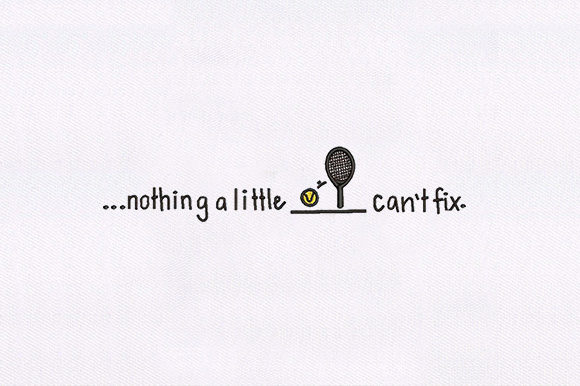
As an embroidery designer who spends most of my days digitizing logos and testing machine embroidery design files for commercial clients, I approach every new asset with a critical eye. It is not just about whether a design looks cute on a screen; it is about how it performs on a cap, how it holds up on a washed apron, and whether it elevates a brand identity. Recently, I evaluated the "Nothing a Little Tennis Can't Fix" design for potential use in small business merch and branded patch collections. This review breaks down its viability for apparel decorators, Etsy sellers, and boutique owners looking to add a sporty yet sophisticated touch to their product lines.
First Impressions and Visual Personality
The title alone suggests a playful, confident attitude that resonates well with modern lifestyle brands. When reviewing the visual structure of this digital embroidery file, the immediate impression is one of friendly professionalism. It strikes a balance between being decorative and functional. For a sports-themed collection or a leisurewear line, this design feels classic yet modern. It avoids the overly aggressive look of some athletic logos, opting instead for an inviting aesthetic that works beautifully for cafes with tennis courts, country clubs, or even bakeries looking to brand their staff uniforms with a touch of personality.
The versatility of the design is its strongest asset. Whether rendered in monochrome for a subtle chest logo or in vibrant thread colors for a statement back piece, the composition suggests high adaptability. For handmade brands, this kind of visual flexibility is crucial. It allows you to maintain visual consistency across different products without losing the core message of the brand.
Real-World Applications for Small Business Merch
In a real-world scenario, imagine a local boutique or a creative studio wanting to create exclusive merchandise for their loyal customers. "Nothing a Little Tennis Can't Fix" serves as an excellent candidate for an embroidered patch. Patches are currently trending in the custom apparel market because they allow businesses to update their look without reordering entire batches of clothing. You can sew these patches onto denim jackets, tote bags, or even laptop sleeves.
For hospitality businesses, such as a resort café or a fitness studio, this design shines as apron embroidery. Staff uniforms often need to be durable yet stylish. The thematic connection to tennis implies activity and energy, making it perfect for active wear or staff who are constantly moving. Furthermore, as a tote bag design, it adds value to a simple canvas bag, turning a generic giveaway into a desirable accessory that customers will actually want to carry.
Event merch is another strong category. If you are organizing a local tournament, a charity run, or a community gathering, this design works exceptionally well on polo shirts and caps. It acts as a unifying symbol for participants, enhancing the sense of community and shared experience. For Etsy sellers, offering this as a pre-made design for cap embroidery or sleeve details can open up a niche market of tennis enthusiasts looking for personalized gear.
Technical Considerations and Placement Strategy
While the design is promising, professional execution requires attention to technical details. One area where caution is needed is regarding stitch density. If the design includes fine lettering or intricate outlines, it may not translate well at very small sizes, such as on a pocket logo or a small hat front. Before committing to a large production run, I always advise testing the design at the intended size to ensure the details do not merge or become illegible.
Curved surfaces present another challenge. Applying this to a structured cap requires careful hooping and potentially a different underlay strategy than flat fabric. The texture of the material also matters. On a thick towel or a textured pique polo, the fabric texture can interfere with fine details. In these cases, increasing the stitch count slightly or using a cut-away stabilizer can prevent puckering and ensure the finished product looks crisp.
Color contrast is vital for visibility. If you are embroidering this on dark uniforms, ensure you select thread colors that pop against the background. A navy blue design on a black shirt might look sophisticated but could get lost in low light. Always create a printable mockup or a physical sample to verify readability before showing it to a client.
Impact on Brand Identity and Customer Trust
Using a high-quality design like "Nothing a Little Tennis Can't Fix" directly impacts how customers perceive your brand. Consistency in your design assets builds trust. When a customer sees a well-executed logo on a tote bag and the same high-quality embroidery on a staff member's shirt, it signals professionalism and attention to detail. This visual coherence strengthens brand recognition.
Moreover, the playful nature of the phrase can humanize a brand. It suggests that the business understands the value of leisure and fun, which can foster a deeper emotional connection with buyers. For product designers, this translates to higher engagement and potentially higher price points, as customers are often willing to pay more for items that feel unique and well-crafted rather than mass-produced.
Professional Designer Notes and Best Practices
To ensure the best results with this embroidery file, follow these practical steps before starting production:
- Test in Black and White: Before selecting your final color palette, stitch out the design in black and white to check for clarity and definition.
- Verify Hoop Size: Confirm that the design fits within your available hoop size without needing to re-hoop, which can cause alignment issues.
- Check File Compatibility: This design comes in multiple formats including DST, PES, and EXP. Ensure you are using the correct format for your specific machine to avoid read errors.
- Review Spacing: Inspect the spacing between elements, especially if scaling the design down for patches or labels.
- Use Proper Stabilizer: Match your stabilizer to the fabric weight. Heavy fabrics may need less support, while stretchy knits require robust stabilization.
- Create Client Mockups: Always present a digital or physical mockup to your client for approval before running the full batch.
- Confirm Licensing: Since this is intended for commercial embroidery projects, double-check the licensing terms to ensure you have the right to use it for resale or branded merchandise.
Ultimately, "Nothing a Little Tennis Can't Fix" is a versatile asset that, when handled with professional care, can significantly enhance a small business's product offerings. By paying attention to fabric choice, placement, and technical execution, you can transform a simple design into a powerful tool for brand building.