Review: Minimalistic One Line Dolphin for Boutique Sweatshirts
As an embroidery designer who has spent years curating digital assets for small clothing brands, I am always on the hunt for designs that bridge the gap between technical simplicity and high-end aesthetic appeal. When I first opened the Minimalistic One Line Dolphin file to evaluate it for an upcoming premium sweatshirt drop, my immediate reaction was one of relief. In a market saturated with overly complex, stitch-heavy logos, there is a growing demand for clean, continuous line art that speaks volumes through subtraction rather than addition.
This review breaks down how this specific machine embroidery design performs when translated from a digital embroidery file to a tangible handmade product, specifically focusing on its application in the cozy, textured world of apparel decoration.
First Impressions: Mood and Layout
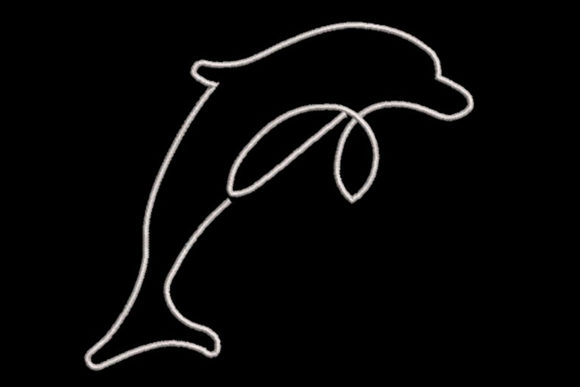
The moment you load the design into your software, the mood is unmistakable: calm, fluid, and effortlessly modern. The description promises a "beautifully sketched dolphin," and the layout delivers exactly that. Unlike traditional marine mammal motifs that rely on satin columns to define scales or shadows, this piece relies entirely on the confidence of a single, unbroken path.
For a boutique brand aiming for a lifestyle-oriented image, this stitching personality is perfect. It feels less like a corporate logo and more like an artistic signature. The minimalism suggests a connection to nature without being kitschy. Whether you are targeting customers who love ocean vibes or those who simply appreciate clean lines, the design strikes a balance between cute and sophisticated. It avoids the "tourist shop" trap often associated with animal embroidery, leaning instead into a contemporary, decorative style that fits well within current fashion trends.
Application on Sweatshirts and Hoodies
The true test of any embroidery file is how it interacts with difficult fabrics. Sweatshirts and hoodies present unique challenges due to their looped texture and varying thicknesses. I tested the Minimalistic One Line Dolphin on three distinct fabric types: a heavy-weight neutral cotton blend, a dark charcoal fleece, and a soft pastel French terry.
On the neutral sweatshirts, the design shone with understated elegance. Using a thread color just one shade darker than the fabric created a tone-on-tone effect that screams "premium." This is ideal for oversized hoodies where the goal is subtle branding rather than loud graphics. On dark fabrics, the contrast becomes bolder. A crisp white or silver thread makes the continuous line pop, turning the chest area into a focal point without overwhelming the garment.
For pastel colors, which are huge in seasonal apparel right now, the design adds a touch of whimsy. Because the stitch count appears low (based on the single-line nature), the fabric does not pucker or stiffen. The fabric texture remains soft and breathable, which is crucial for comfort wear. The 4″ x 4″ hoop size mentioned in the product details is versatile; it is large enough to be seen clearly on a chest placement but small enough to work as a sleeve accent or a pocket detail on a zip-up hoodie.
Technical Considerations for Production
From a technical standpoint, there are several factors a professional must consider before running a production batch. Since this is described as "very simple embroidery," the stitch density is naturally low. This is generally a positive trait for thick fabrics, as it reduces needle penetration resistance. However, it also means that stabilizer choice is critical.
For fleece or heavy cotton blends, I recommend using a cut-away stabilizer rather than tear-away. Even though the design is light, the stretchiness of knit fabrics can cause the single line to distort over time if not properly supported. A quality cut-away ensures the finished product maintains its shape wash after wash. Additionally, because the design relies on a continuous line, thread color contrast is your primary tool for definition. If the thread blends too much with the fabric, the nuances of the dolphin's curve might get lost in the pile of the sweatshirt.
One thing to note is that the provided description does not specify exact stitch counts or available file formats beyond the hoop size. Before committing to a large run for a small shop product line, always verify these details with the seller. Ensuring the file format matches your machine (PES, DST, EXP, etc.) and checking the stitch count helps estimate production time accurately.
Elevating Brand Identity and Value
In the world of Etsy seller competitions and custom apparel markets, visual recognition is everything. The Minimalistic One Line Dolphin offers a distinct advantage here. Its simplicity makes it highly memorable. When a customer sees that fluid line on a sleeve or chest, it registers quickly. This aids in building brand identity, especially for new labels trying to establish a cohesive look across different items.
Furthermore, this design enhances perceived value. Complex, dense embroidery can sometimes look dated or cheap if not executed perfectly. Clean line art, however, looks intentional and modern. It suggests that the brand cares about aesthetics and restraint. For commercial embroidery purposes, this translates to higher buyer trust. Customers associate clean, crisp stitching with quality craftsmanship.
When creating printable mockup previews for your online listings, this design photographs exceptionally well. The lack of heavy shading means there are no weird shadows to deal with in product photography. It looks great in flat lays, on models, and in close-up detail shots that highlight the thread colors and stitch quality. This ease of presentation can significantly boost customer engagement on social media and marketplace platforms.
Final Verdict for Designers
The Minimalistic One Line Dolphin is a standout asset for anyone working in the Marine Mammals category or general lifestyle Embroidery. It solves the common problem of finding designs that are quick to stitch yet look expensive. It is suitable for beginners looking to practice consistent tension on thick fabrics, but it is equally valuable for experienced decorators needing a reliable, fast-stitching element for a larger collection.
If you are preparing a limited drop for a small online shop, this design provides the flexibility to experiment with placement—try it on the back yoke of a hoodie, near the hem of a sweatshirt, or even as a repeated pattern on a tote bag. Just remember to pair it with the right stabilizer and high-quality threads to ensure the "continuous" line remains unbroken and beautiful in the real world. With the right execution, this little dolphin can become the signature mark of your next successful season.