Bathing Dog: A Craft Fair Best-Seller Review
As I prepare my booth for the upcoming weekend craft fair, I am constantly evaluating which machine embroidery design will stop customers in their tracks. Today, I am taking a close look at the Bathing Dog file. This isn't just about picking a cute image; it is about assessing viability for mass production, visual impact on a crowded table, and the practicalities of turning a digital embroidery file into a profitable handmade product. When you are standing behind a table filled with goods, you need designs that communicate instantly and appeal to a broad audience of dog lovers.
First Impressions and Market Appeal
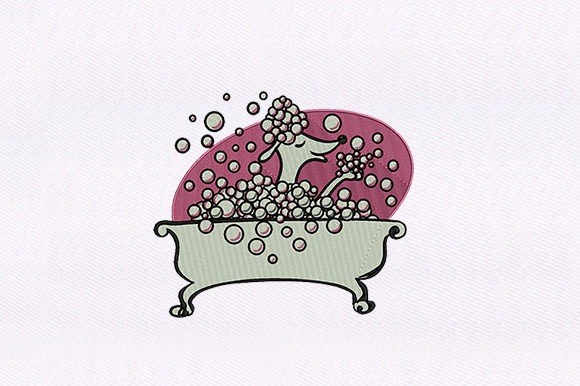
The title Bathing Dog immediately evokes a specific mood. In the world of Dogs and Embroidery, this theme leans heavily into the "cute" and "funny" categories. It suggests a narrative moment—perhaps a reluctant pup in a tub or a fluffy friend covered in bubbles. For a craft fair environment, humor and relatability are currency. Pet owners love seeing their own chaotic bathroom routines reflected in art. This design feels less like a formal portrait and more like a whimsical snapshot, making it perfect for casual, everyday items rather than formal home decor.
The versatility of the provided embroidery file formats—including DST, PES, JEF, and XXX—means this design is ready for almost any machine in a small shop. Whether you are running a single-needle setup for detailed work or a multi-needle machine for batch production, the compatibility is a huge plus. However, the true test is how this design translates from a screen preview to a physical finished product.
Strategic Product Placement for Maximum Sales
When laying out my display, I have to decide where Bathing Dog will shine brightest. Here is my assessment of potential products:
- Tote Bags and Market Bags: This is likely the strongest contender. A tote bag design needs to be bold and readable from three feet away. If the Bathing Dog has clean lines and good contrast, it will look fantastic on a natural canvas tote. It appeals to the eco-conscious shopper who loves their pet.
- Aprons and Kitchen Towels: The theme fits perfectly here. Apron embroidery featuring a bathing dog adds a touch of personality to kitchen gear. Similarly, tea towel embroidery is a classic gift item. The key here is ensuring the design doesn't get lost in the texture of waffle weave or terry cloth.
- Embroidered Patches: If the design scales down well without losing detail, it could be a hit as an iron-on or sew-on patch. Patches are low-cost impulse buys that increase average transaction value at a booth.
- Caps and Hats: This is risky. Curved surfaces distort designs. Unless the Bathing Dog is simplified specifically for caps, I would avoid this unless I have a dedicated cap frame and experience with curved stitching.
- Pillow Covers: While popular, pillow covers require larger hoop sizes. If the design is too small, it looks lonely; if too large, it may exceed standard hoop limits. Check the maximum dimensions before committing fabric.
Production Realities and Technical Considerations
Turning a concept into a craft fair product requires rigorous testing. Before I stitch a single saleable item, I must address several technical factors that can make or break the quality of the small shop product.
Stitch Density and Fabric Texture: Water scenes often imply bubbles or splashes, which can translate to high stitch density in an embroidery file. On thick fabrics like towels or denim, this is usually fine. However, on lightweight cotton for tote bags, high density can cause puckering or fabric distortion. I always recommend testing on scrap fabric first. If the design feels stiff or board-like after stitching, it needs editing or a different stabilizer approach.
Thread Colors and Contrast: A bathing scene likely involves blues, whites, and the natural colors of the dog. On dark fabrics, light threads pop beautifully, but on white towels, you need strong outlines to ensure the Bathing Dog doesn't disappear. As an Etsy seller or booth vendor, your thread colors must be consistent. Using variegated threads for water effects can add a premium feel, but solid colors often photograph better for online listings.
Hoops and Stabilizers: Since the specific hoop size is not listed in the product details, you must verify the maximum dimensions of the design against your equipment. If it requires a 5x7 or larger hoop, ensure you have enough inventory of that size stabilizer. For stretchy fabrics like t-shirts or soft tote bags, a cut-away stabilizer is non-negotiable to maintain shape over time. For woven tea towels, a tear-away might suffice, but test for durability.
Visual Merchandising and Online Presence
In a physical booth, the Bathing Dog needs to create a focal point. Grouping items by theme helps customers visualize the lifestyle. Placing the embroidered apron next to the matching tea towel creates a "set" mentality, encouraging multiple purchases. The design should feel cohesive with your brand. If your brand is rustic farmhouse, this design fits well with burlap accents and wooden signage. If your brand is modern and minimal, stick to crisp white backgrounds and simple color palettes.
For the digital side, specifically for Etsy sellers and those selling design assets, photography is everything. A flat lay rarely does justice to texture. You need a printable mockup or a real-life photo that shows the dimension of the stitches. Highlight the sheen of the thread and the softness of the fabric. Mentioning that this is a commercial embroidery ready file (assuming you have the appropriate license) is a key selling point for other makers looking to buy the digital file rather than the finished good.
Final Designer Notes for Success
To ensure Bathing Dog becomes a staple in your inventory, follow these final steps:
- Verify Licensing: Before selling any finished product, confirm the commercial licensing terms of the file. Some designers allow unlimited sales of finished goods, while others have restrictions.
- Check Small Details: Look closely at the eyes and paws of the dog. Tiny details can fill in with thread if the density is too high or the fabric is too textured. You may need to simplify these areas manually in your editing software.
- Create a Mockup: Never list an item online or bring it to a fair without seeing a physical sample. What looks good on the screen might look cluttered in thread.
- Batch Production: If the design runs quickly and reliably, consider hooping multiple items at once to maximize your machine time before the fair.
The Bathing Dog design holds significant potential for the handmade market. Its charm lies in its relatability and the universal love for pets. By paying attention to fabric choice, stabilizer selection, and presentation, you can transform this machine embroidery design into a standout product that draws crowds and drives sales at your next event.