Boxing Bulldog: A Pro Review for Branded Merch
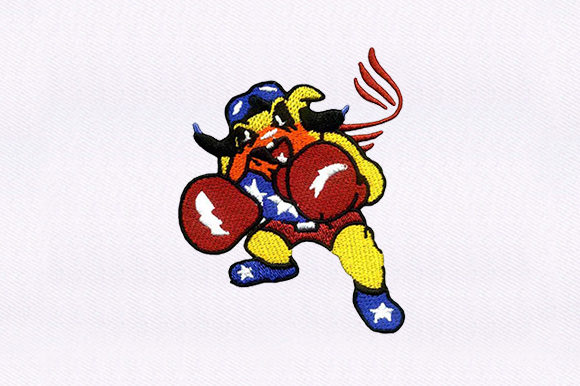
As an embroidery designer who has spent years digitizing and stitching for small businesses, I know that choosing the right machine embroidery design is about more than just aesthetics. It is a strategic business decision. When a client approaches me with a request for branded merchandise, whether it is for a local café, a boutique pet shop, or a creative studio, the design must withstand the rigors of commercial use while elevating brand identity. Recently, I had the opportunity to review the Boxing Bulldog design, and from a professional standpoint, this piece offers a compelling mix of character and versatility for small business merch.
First Impressions: Bold Character and Professional Appeal
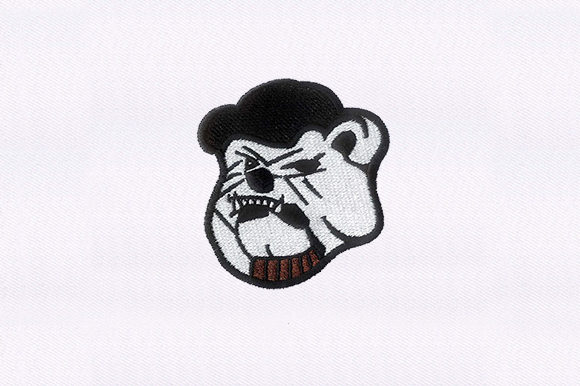
The moment you load the Boxing Bulldog onto your screen, the first impression is one of boldness and playful energy. Unlike generic animal motifs that can feel flat or overly cute, this design carries a sense of spirit. It feels rustic yet modern, making it an excellent candidate for brands that want to project friendliness without sacrificing professionalism. For a business in the Dogs category, such as a groomer or a pet supply store, this imagery instantly communicates passion and niche expertise. However, its appeal extends beyond pet services. A gym, a boxing club, or even a rugged outdoor gear brand could utilize this motif to suggest strength and resilience.
The description notes that this is a "high-quality embroidery" intended to give character to any fabric. In my experience, designs that promise "character" often rely on unique stitch patterns or dynamic posing rather than simple outlines. The Boxing Bulldog appears to deliver on this, offering a visual personality that stands out on custom apparel and accessories. It avoids the sterile look of corporate clipart, leaning instead into a handmade aesthetic that resonates with today's consumers who value authenticity.
Real-World Applications for Small Business Owners
When evaluating a new digital embroidery file, I always ask: "Where will this live in the real world?" The Boxing Bulldog shines in several key areas of commercial embroidery:
- Embroidered Patches: This is arguably the strongest use case. The detailed nature of the bulldog translates beautifully into a sew-on or iron-on patch. Small businesses can use these as add-on products at checkout or as loyalty rewards for customers.
- Staff Uniforms and Aprons: For a bakery or a craft brewery, placing this design on an apron embroidery pocket adds a touch of whimsy to the staff uniform. It humanizes the brand and makes employees approachable.
- Cap Embroidery: The compact composition of the bulldog works well for the front panel of a baseball cap. It serves as a subtle yet recognizable logo accent that customers are proud to wear.
- Tote Bag Design: Canvas totes are staples for boutiques and markets. The Boxing Bulldog provides a focal point that turns a plain bag into a branded statement piece, perfect for events or gift-with-purchase promotions.
- Product Packaging Accents: Beyond clothing, this design can be stitched onto fabric tags attached to packaging, enhancing the unboxing experience for handmade goods.
For Etsy sellers and crafters, integrating this design into your design assets allows you to expand your product line without needing to create artwork from scratch. It bridges the gap between digital convenience and tangible, high-value finished products.
Technical Considerations and Production Challenges
While the artistic merit of the Boxing Bulldog is clear, a professional review must address the technical realities of production. Not every design performs equally well on every surface. Here are critical factors to consider before running a production batch:
- Stitch Density and Fabric Texture: The description mentions "detailed embroidery." High detail often implies higher stitch density. On thick fabrics like denim or canvas, this is rarely an issue. However, on lightweight performance fabrics or delicate silks, high density can cause puckering or stiffness. Always test on the specific fabric texture your client uses.
- Small Patch Sizes: If you intend to scale this down for a small chest logo or a tiny patch, inspect the fine details. Tiny lettering or intricate outlines can merge together if the design is reduced too far. Ensure the hoop size allows for a version of the design that maintains clarity at smaller dimensions.
- Thread Colors and Contrast: The visual impact of the bulldog relies heavily on thread colors. On dark uniforms, ensure there is sufficient contrast so the design does not get lost. You may need to adjust the color palette of the embroidery file to match specific brand guidelines while maintaining visibility.
- Curved Surfaces: For cap embroidery, the curvature of the front panel can distort wide designs. Verify that the bulldog's stance fits within the curved sewing field without significant distortion.
- Washability: Merchandise meant for daily wear, like work shirts, undergoes frequent washing. Ensure the satin stitches and fills are dense enough to withstand laundering without fraying.
Elevating Brand Identity and Customer Trust
In the crowded marketplace of handmade and small business goods, visual consistency is king. Using a distinct motif like the Boxing Bulldog across various touchpoints—from staff shirts to tote bags—creates a cohesive brand identity. When customers see the same high-quality emblem on an apron, a website, and a product tag, it builds trust. It signals that the business pays attention to details and invests in quality presentation.
Furthermore, the "handmade" feel of machine embroidery adds perceived value. A t-shirt with a printed logo is common; a t-shirt with a stitched Boxing Bulldog feels premium. This differentiation can justify higher price points and increase buyer engagement. For product designers, this design acts as a versatile tool to enhance the tactile experience of the handmade product, making it more memorable than mass-produced alternatives.
Designer Notes for Successful Implementation
Before committing to a large run, I recommend the following workflow to ensure the Boxing Bulldog meets your commercial standards:
- Test in Black and White: Remove color variables to check if the shape and stitch structure hold up on their own. This ensures the design is readable even in monochrome applications.
- Create a Printable Mockup: Use a printable mockup to visualize how the design looks on different garment colors and styles before stitching a single thread. This saves time and materials during the client approval phase.
- Check Stabilizer Requirements: Detailed designs often require specific stabilizer types (cut-away vs. tear-away) to prevent shifting. Match the stabilizer to the fabric weight.
- Verify Licensing: Since this is for business use, confirm the commercial licensing terms of the digital embroidery file. Ensure you have the rights to sell finished goods featuring this design.
- Compare Alongside Other Assets: Place the Boxing Bulldog next to your existing logo or other design assets to ensure stylistic harmony.
Ultimately, the Boxing Bulldog is more than just a picture of a dog; it is a versatile asset for Embroidery professionals looking to add depth to their clients' branding. With careful attention to technical details and strategic placement, this design can become a cornerstone of a small business's merchandise strategy, delivering both aesthetic charm and commercial durability.