Sad Face Yellow Emoji: A Designer's Review for Brand Merch
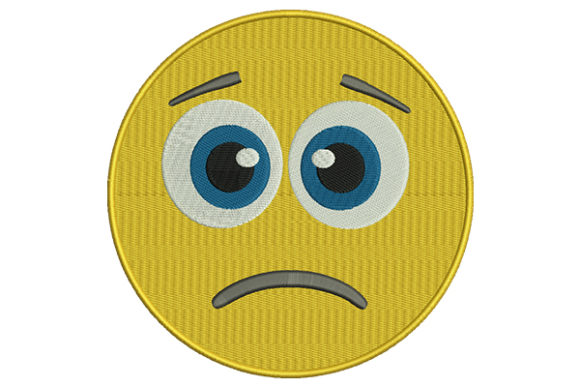
As an embroidery designer who has spent years digitizing and reviewing files for commercial use, I approach every new machine embroidery design with a critical eye. It is not just about whether a file looks cute on a screen; it is about how that digital embroidery file translates into a tangible finished product that represents a brand. Today, I am reviewing the Sad Face Yellow Emoji. While the product category lists this under Boys, my assessment focuses on its viability for small business merchandise, branded patches, and custom apparel for a much wider audience.
The first impression of the Sad Face Yellow Emoji is one of approachable playfulness. In the current market, brands are moving away from overly corporate aesthetics and embracing personality. This design offers a bold, modern look that can soften a brand's image. However, for a small business owner, the question remains: does this emoji translate well from a digital concept to a professional embroidered patch or direct garment decoration? Based on the description promising "high-quality embroidery," we must evaluate how this specific asset performs in real-world scenarios.
Real-World Applications for Small Business Merch
Imagine a local coffee shop or a boutique bakery looking to create staff uniforms that stand out. A standard logo on a black apron is functional, but adding the Sad Face Yellow Emoji as a sleeve detail or a chest accent adds a layer of relatability. It signals that the business doesn't take itself too seriously, which can be a powerful tool for customer engagement. For a creative studio or a pet brand, this design could serve as a charming addition to tote bags given away at events or included with purchases.
For Etsy sellers and handmade brands, versatility is key. This embroidery file could be the centerpiece of a line of custom apparel. Think of a streetwear brand targeting a younger demographic; placing this emoji on the back of a denim jacket or the front of a beanie creates instant visual interest. It works exceptionally well as a tote bag design, where the yellow thread pops against canvas or heavy cotton. Furthermore, for businesses creating limited-run merchandise, this design acts as a perfect design asset that requires minimal setup time but delivers high visual impact.
The potential for cap embroidery is also significant. Emojis generally scale well to the curved fronts of baseball caps, provided the digitizing accounts for the pull of the fabric. If you are running a promotional campaign, stitching this onto hats for staff or loyal customers can create a sense of community. It transforms a standard uniform item into a piece of small business merch that people actually want to wear.
Technical Considerations and Fabric Compatibility
While the aesthetic appeal is strong, a professional review must address the technical challenges. The description notes this is for Embroidery, but it does not specify the stitch count or density. This is a crucial variable. High stitch density can cause puckering, especially on lighter fabrics or when working with small patch sizes. Before committing to a large production run, I strongly advise testing the design on the exact fabric you intend to use.
When applying the Sad Face Yellow Emoji to textured fabrics like towels or rough canvas, the fine details of the facial expression might get lost if the stitches are too tight. Conversely, on smooth performance fabrics, the design should sit flat and crisp. One must also consider the thread colors. The classic yellow requires high contrast to ensure the facial features are visible. If you are stitching this onto dark uniforms, ensure your digitizer has included a proper underlay or backing to prevent the dark fabric from showing through the yellow satin stitches.
Another critical factor is the hoop size. Since the specific dimensions are not provided in the product details, you must verify that the design fits within your machine's capabilities, especially if you plan to do multi-item hooping for efficiency. Additionally, the choice of stabilizer cannot be overlooked. For items that will undergo frequent washing, such as staff apron embroidery or work shirts, using a cut-away stabilizer is often safer than tear-away to maintain the integrity of the design over time.
Impact on Brand Identity and Customer Trust
Incorporating an emoji into your branding is a strategic decision. The Sad Face Yellow Emoji can humanize a brand, making it feel more accessible and empathetic. For a florist or a gift shop, it might convey a sentiment of "missing you" or "thinking of you," adding emotional value to the handmade product. However, consistency is vital. If your brand identity is strictly luxury or minimalist, this playful element might clash. It works best for brands that prioritize fun, creativity, and connection.
Using this design effectively can boost product value. A simple tote bag becomes a statement piece; a plain cap becomes a collector's item. When customers see high-quality execution of a familiar icon, it builds trust in your craftsmanship. It shows attention to detail and an understanding of current cultural trends. For commercial embroidery projects, this kind of recognition drives buyer engagement. People are drawn to what they recognize, and an emoji is universally understood.
Professional Designer Notes for Production
Before you load this file into your machine for a client order, follow these practical steps to ensure success:
- Test in Black and White First: Convert your printable mockup to grayscale to check if the design holds its shape without relying on color contrast. This helps identify potential issues with definition.
- Verify Small Patch Viability: If you intend to use this as a small woven or embroidered patch, confirm that the details do not merge together at reduced sizes.
- Check Thread Contrast: Ensure the yellow thread stands out clearly against your chosen garment color. You may need to adjust the shade of yellow or add a white border for better visibility.
- Inspect Spacing and Density: Look closely at the preview. Are the stitches too close together? This can cause thread breakage or fabric distortion.
- Confirm Hoop Size: Double-check the dimensions against your machine's hoop limits to avoid re-hooping errors during production.
- Test on Real Fabric: Never skip the sample stitch-out. Fabric texture varies wildly, and a design that looks good on polyester might pucker on cotton twill.
- Use Proper Stabilizer: Match your stabilizer to the fabric weight and the intended use of the garment (e.g., wash-and-wear vs. decorative).
- Create a Client Mockup: Always present a realistic printable mockup to your client for approval before stitching the final batch.
- Compare Design Assets: Place this emoji beside your other logo elements to ensure visual consistency across your brand materials.
- Confirm Commercial Licensing: Since this is for business use, explicitly verify the license terms included with the digital embroidery file to ensure you have the rights to sell products featuring this design.
In conclusion, the Sad Face Yellow Emoji is a versatile asset for the modern embroiderer. While categorized under Boys, its application extends far beyond children's wear. With careful attention to technical details like stitch density, stabilizer choice, and fabric compatibility, it can elevate your custom apparel and branded merchandise. By treating this file with the professional scrutiny it deserves, you can turn a simple emoji into a powerful tool for brand storytelling and business growth.