Sewing in Progress: A Pro Review for Branded Merch
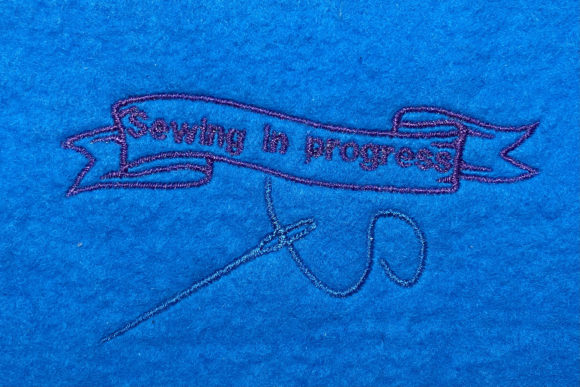
As an embroidery designer who has digitized thousands of logos for small businesses, I approach every new machine embroidery design with a critical eye. It is not just about whether it looks cute on a screen; it is about how it performs on a cap, an apron, or a tote bag after fifty washes. Today, I am reviewing Sewing in Progress, a filled design featuring a quote inside a ribbon with a threaded sewing needle underneath. For boutique owners, crafters, and apparel decorators, this piece offers a unique opportunity to brand creative spaces and handmade products with authenticity.
First Impressions and Visual Personality
The immediate impression of Sewing in Progress is one of charming professionalism. The combination of a ribbon banner and a threaded needle creates a classic, almost vintage aesthetic that resonates deeply with the handmade community. Unlike stark, modern corporate logos, this design feels warm and inviting. The "filled" nature of the design suggests substance and quality, making it suitable for more than just home decor. It strikes a balance between playful and elegant, which is crucial for brands that want to appear approachable yet skilled. For a creative studio or a local sewing shop, this visual language instantly communicates "we make things here" without needing additional explanation.
Real-World Business Applications
When evaluating a digital embroidery file for commercial use, versatility is key. Sewing in Progress shines in several specific business scenarios:
- Staff Uniforms and Aprons: For a boutique or a sewing workshop, placing this design on the chest of a staff apron creates instant brand recognition. The ribbon element frames the text beautifully, making it legible even from a distance.
- Embroidered Patches: This is perhaps the strongest use case. As a sew-on or iron-on patch, this design can be applied to denim jackets, canvas totes, or even product packaging as a premium seal of quality.
- Cap Embroidery: The curved nature of the ribbon complements the curve of a baseball cap front. It serves as an excellent identifier for team members at craft fairs or markets.
- Tote Bag Design: Canvas bags are staples for Etsy sellers. A high-density fill design like this adds texture and perceived value to a simple bag, turning it into a desirable piece of small business merch.
- Customer Gifts: Including a small version of this design on a thank-you card attachment or a free gift with purchase reinforces the handmade narrative of your brand.
Critical Considerations for Production
While the aesthetic is strong, a professional review must address potential production pitfalls. Because Sewing in Progress is described as a filled design, stitch density is a major factor. High stitch counts can cause fabric puckering, especially on lightweight materials like thin cotton shirts or delicate linens.
Designers and shop owners should exercise caution in the following areas:
- Small Patch Sizes: If scaling this down for a tiny label or a small patch, the lettering inside the ribbon may become illegible. The threads could merge, turning distinct letters into a solid blob. Always test the minimum viable size before committing to a large run.
- Curved Surfaces: While great for caps, the rigid structure of a filled ribbon can sometimes distort on highly curved surfaces if the stabilizer isn't robust enough.
- Dark Uniforms: Ensure there is sufficient contrast between the thread colors and the garment. A light ribbon on a black apron works well, but if the design relies on subtle shading, it might get lost on dark fabrics.
- Frequent Washing: Items like aprons and work shirts undergo rigorous cleaning. A dense fill design needs proper underlay stitching to prevent the edges from fraying or the design from lifting over time.
Impact on Brand Identity and Trust
In the world of handmade goods, brand identity is everything. Customers buy from people, not faceless factories. Using Sewing in Progress as a consistent visual element across your design assets builds trust. When a customer sees this logo on your website, your printable mockup, and the actual finished product, it creates a cohesive narrative. It signals that attention to detail is paramount. Furthermore, displaying a "work in progress" motif can be a clever marketing tool, humanizing the brand by acknowledging the labor and time involved in creation. This transparency often increases buyer engagement and justifies higher price points for custom apparel and accessories.
Practical Notes for the Embroidery Designer
Before loading this file into your machine for a client order, adhere to these professional best practices to ensure a flawless result:
- Test in Black and White: Convert the design to monochrome in your software first. This reveals if the contrast relies too heavily on color rather than shape definition.
- Check Hoop Size Compatibility: Verify that the dimensions of the ribbon and needle fit within your available hoop size without requiring excessive re-hooping, which can lead to alignment issues.
- Stabilizer Selection: Given the filled nature of the design, use a cut-away stabilizer for stretchy fabrics like knits to prevent distortion. For woven fabrics like canvas or denim, a heavy tear-away may suffice.
- Fabric Texture Testing: Run a test stitch on the exact fabric texture you intend to use. Terry cloth, for instance, requires different settings than smooth poplin.
- Client Mockups: Always create a printable mockup showing the design on the intended garment for client approval before stitching the final batch.
- Licensing Verification: Crucially, confirm the commercial licensing terms. Just because a file is available for purchase does not automatically grant rights for unlimited commercial embroidery projects. Ensure you have the right to use it for resale items.
Ultimately, Sewing in Progress is a versatile asset for the right business. It bridges the gap between a hobbyist aesthetic and professional branding. However, its success depends entirely on execution. By respecting the limitations of filled designs, choosing the right materials, and testing thoroughly, small business owners can leverage this design to create memorable, high-quality merchandise that stands out in a crowded market. Whether it ends up on a baker's apron or a florist's tote, this design has the potential to become a recognizable symbol of craftsmanship.