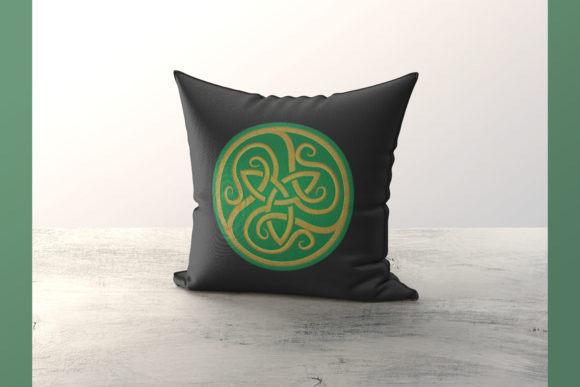
Celtic Circle: A Professional Review for Branded Merch
As an embroidery designer who has spent years digitizing logos and reviewing files for commercial use, I approach every new machine embroidery design with a critical eye. It is not just about whether the image looks pretty on a screen; it is about how that digital embroidery file translates into thread on real fabric. Today, I am reviewing the Celtic Circle, a piece from the "Around The World" collection, specifically evaluating its potential for small business merchandise, branded patches, and professional apparel.
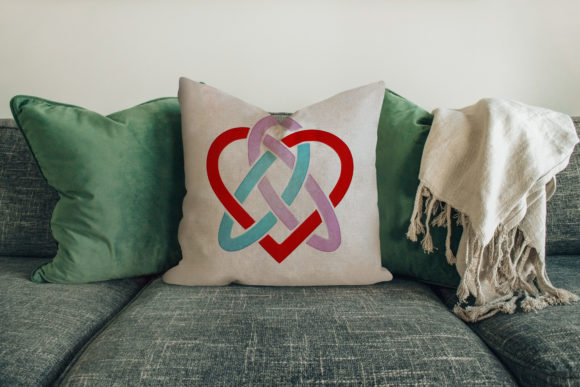
My first impression of the Celtic Circle is one of timeless elegance and structural integrity. The title alone suggests a motif rooted in heritage, continuity, and connection—themes that resonate deeply with handmade brands and boutique businesses. Unlike flashy, modern graphics that may date quickly, a Celtic knot pattern offers a classic aesthetic that feels both rustic and premium. For a bakery, a florist, or a creative studio looking to establish a sense of trust and tradition, this design provides an immediate visual anchor. It feels friendly yet authoritative, making it an excellent candidate for a brand mark that needs to stand the test of time.
Real-World Applications for Small Business Merch
The true value of any embroidery file lies in its versatility across different products. The product description notes that Celtic Circle is available in six sizes, which is a crucial feature for business owners who need to scale a logo for various applications without losing detail. Here is how I see this design performing in a commercial setting:
- Embroidered Patches: This is perhaps the strongest use case. The circular nature of the design fits perfectly within a merrowed edge patch. Whether applied to a denim jacket, a canvas tote, or a product packaging accent, a Celtic Circle patch adds a tactile, high-value element to small business merch.
- Staff Uniforms and Aprons: For a café or boutique, consistency is key. Placing this design on the chest of a work shirt or the bib of an apron embroidery project creates a unified team look. The interwoven lines suggest teamwork and unity, subtly reinforcing company culture to customers.
- Cap Embroidery: Circular designs can be tricky on curved surfaces like baseball caps, but if the digitizing handles the pull compensation correctly, this could serve as a stunning front-panel logo or a subtle side accent.
- Tote Bag Design: Canvas bags are a staple for craft fairs and retail giveaways. The dense, interlocking nature of Celtic knots holds up well on heavier fabrics, providing a durable finished product that customers will actually use.
Impact on Brand Identity and Customer Trust
In the world of commercial embroidery, the quality of your stitch work directly correlates to the perceived value of your brand. A sloppy logo suggests a sloppy business. Conversely, a crisp, well-executed Celtic Circle signals attention to detail. When a customer sees this level of craftsmanship on a handmade product or a staff uniform, it builds immediate trust. It tells them that you care about quality, which justifies higher price points for your goods.
Furthermore, the "Around The World" category placement suggests a global or travel-inspired appeal. If your business involves artisanal goods sourced internationally or a brand story centered on exploration, this design asset aligns perfectly with that narrative. It enhances brand identity by visually communicating history and craft, distinguishing you from competitors using generic, clip-art style logos.
Critical Considerations for Production
While the aesthetic potential is high, a professional review must also address the technical challenges. Not every design works everywhere, and Celtic Circle requires careful planning before it hits the machine.
- Stitch Density and Fabric Texture: Celtic knots often involve overlapping lines. If the stitch density is too high, the design can become stiff and cause the fabric to pucker, especially on lightweight t-shirts or sweatshirts. On textured fabrics like Terry cloth or heavy canvas, fine details might get lost. Always test on the specific material you intend to use.
- Small Patch Sizes: While six sizes are offered, you must verify the smallest dimension. Intricate crossings in a Celtic knot can merge together if scaled down too far for a tiny lapel pin or a child's garment. Ensure the spacing remains distinct at your target size.
- Thread Colors and Contrast: This design relies on line definition. On dark uniforms, ensure you have high-contrast thread colors planned. A monochromatic look (e.g., black thread on black fabric) might look sophisticated but could render the intricate details invisible from a distance.
- Curved Surfaces: As mentioned regarding caps, placing a rigid circular design on a curved front panel requires precise hooping and potentially a specialized cap frame. Without proper stabilization, the circle may distort into an oval.
Practical Designer Notes for Implementation
Before committing to a large production run of custom apparel or merchandise featuring Celtic Circle, I recommend following these practical steps to ensure success:
- Test in Black and White First: Remove color variables to check if the design holds up purely on form and contrast. If it fails in one color, it will likely fail in multiple.
- Verify Hoop Size: Confirm that the largest version of the design fits within your machine's maximum hoop size. Do not assume; measure the actual dimensions provided in the file details.
- Use Proper Stabilizer: Given the likely density of a hand-digitized Celtic pattern, using a cut-away stabilizer is often safer than tear-away for items that will undergo frequent washing, such as aprons and work shirts.
- Create a Printable Mockup: Before stitching, generate a printable mockup to show clients or stakeholders. This helps visualize the scale and placement on the final garment.
- Check Commercial Licensing: The description mentions these are digital files, but always confirm the license terms. Ensure you have the rights to use the design for commercial embroidery projects and resale items.
- Compare Design Assets: Place Celtic Circle beside your existing logo or other design assets. Does it complement your current visual language, or does it clash?
The description states the design is "digitized by hand," which is a promising sign. Hand digitizing usually results in better flow and fewer jumps than auto-digitized files, leading to a cleaner finished product. However, since exact stitch counts and specific file formats were not detailed in the brief, I strongly advise downloading a sample or contacting the vendor to verify compatibility with your specific embroidery machine software.
In conclusion, Celtic Circle offers a robust foundation for businesses seeking to elevate their merchandise with a touch of classic sophistication. Whether used as a standalone patch, a subtle sleeve detail, or a central logo on a tote bag, its potential to enhance brand identity is significant. With careful attention to fabric choice, sizing, and stabilization, this design can become a cornerstone of your small business's visual presence, delivering a professional and enduring impression to every customer who sees it.